Standing seam metal roofing
A premium system with concealed fasteners. Standing seam is a strong choice when you want clean lines and fewer exposed points that need maintenance over time.
Serving Johnstown, Pennsylvania & surrounding areas
Mon–Fri 8am–6pm · Sat 9am–5pm
Metal roofing in Johnstown, PA
Upgrade to a roof built for Western PA weather. Roofers Johnstown installs, replaces, and repairs metal roofing with clean detailing, solid flashing, and a clear written scope before work begins.
Built for Western PA homes
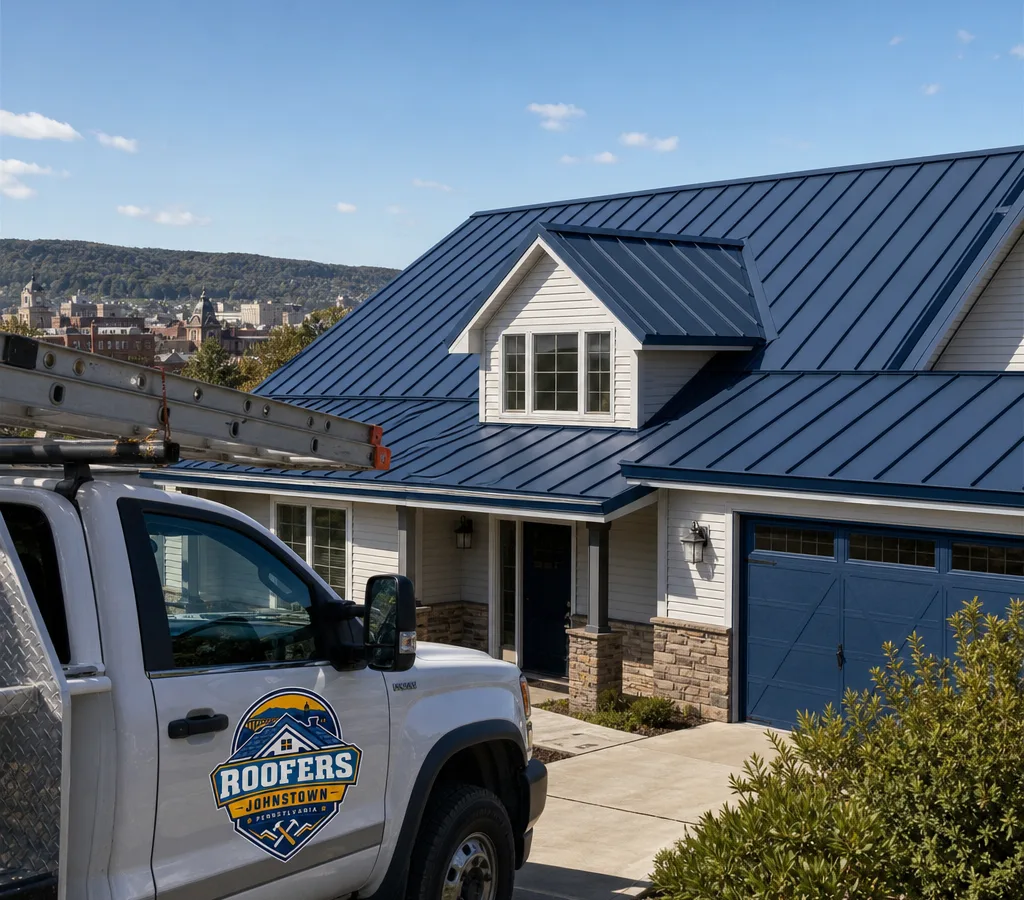
If you are searching for metal roofing Johnstown PA, you are usually looking for two things: long-term durability and fewer worries after the next rough season rolls through. Metal roofing can be a great fit in Johnstown because it sheds water and snow efficiently when it is installed with the right underlayment, ventilation plan, and properly detailed penetrations.
Roofers Johnstown handles metal roof installation, replacement, and repair for homeowners across Johnstown (ZIP 15904) and nearby areas. We focus on fundamentals that make a metal roof last: sound decking, correct fastener patterns, ice-and-water protection where needed, and flashing that is formed and installed to match the roof geometry.
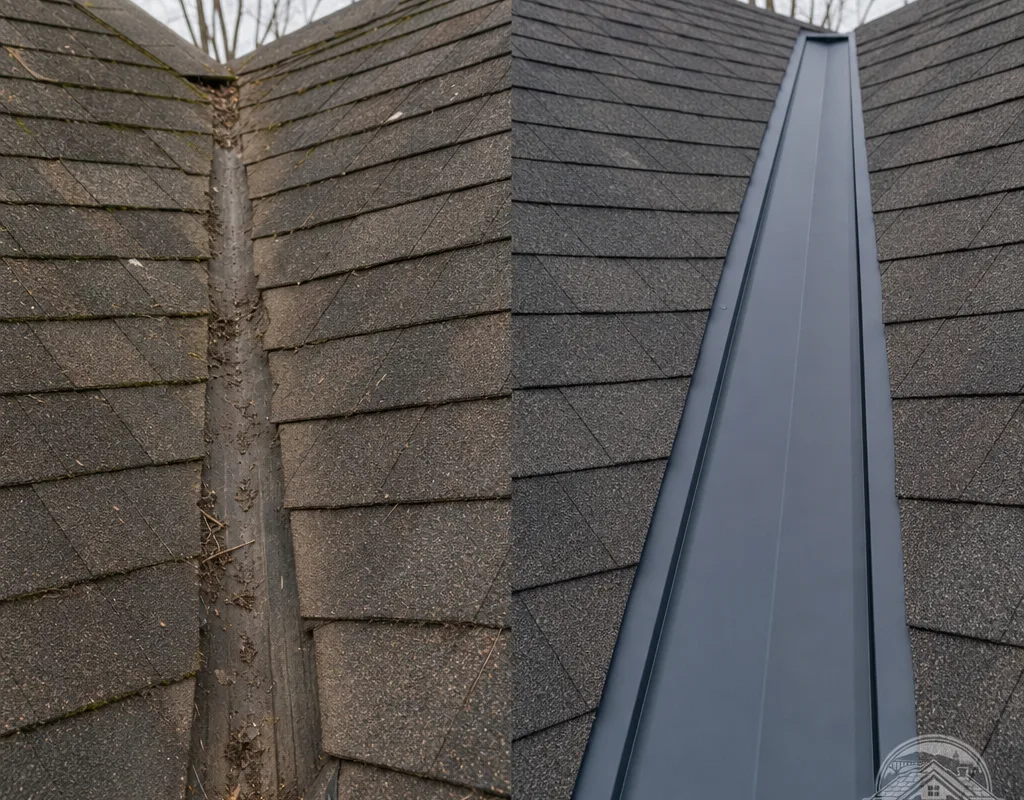
Many homes in the Johnstown area include steep pitches, dormers, valleys, and porch transitions. Those details are where metal roofing succeeds or fails. We take the time to measure accurately, plan panel layout, and build a scope around the real roof, not a generic square-foot number.
Metal roof systems
Choose a system based on your roof geometry, existing assembly, maintenance expectations, and budget—not appearance alone.
A premium system with concealed fasteners. Standing seam is a strong choice when you want clean lines and fewer exposed points that need maintenance over time.
A cost-effective metal roof option that can work well on simpler roof shapes. Correct screw placement, washer compression, and closure details matter most for leak resistance.
When shingles are worn, decking is soft, or prior layers are questionable, a full tear-off lets us fix the substrate and install the metal system on a sound base.
In some cases, metal can be installed over an existing roof with the right approach. We only recommend this when the existing roof is stable and the detailing can be done correctly.
We track down leaks at valleys, vents, chimneys, skylights, and wall transitions. Many repairs come down to correcting flashing, fasteners, sealant use, or panel terminations.
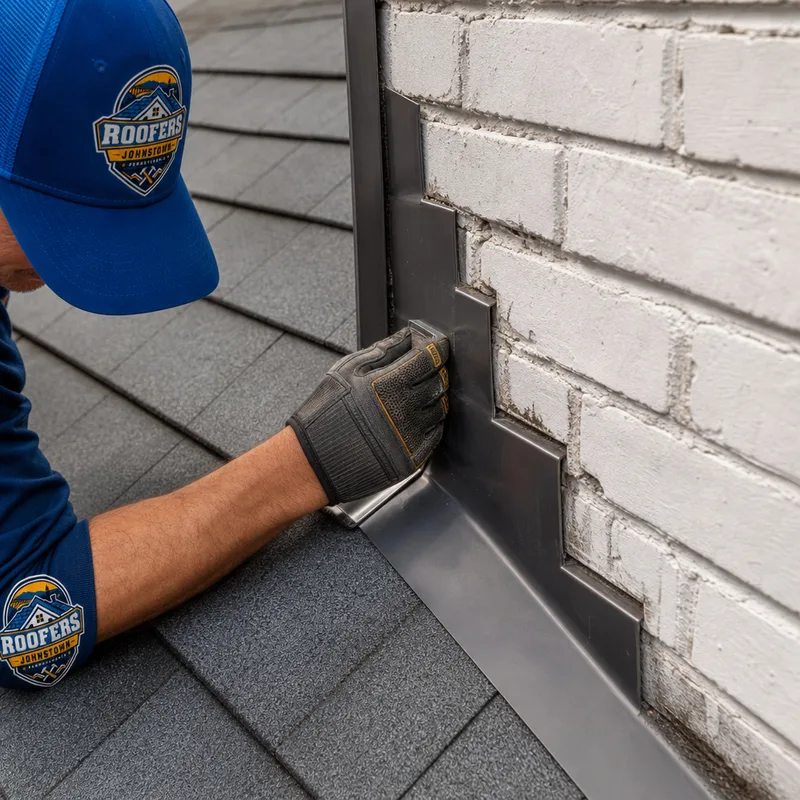
Even the best panels cannot compensate for weak ventilation or poor flashing. We address ridge venting, intake, pipe boots, and step/counter flashing as part of a complete metal roof plan.
Weather-ready roof details
Metal roofing performs best when the install is planned around water flow, freeze-thaw cycles, and roof geometry.
If you are comparing contractors, look for someone who talks specifics: how valleys are built, how pipe penetrations are handled, and what happens at eaves, rakes, and ridge caps. Those are the details that separate a roof that simply looks good from one that stays dry.
Inspection to completion
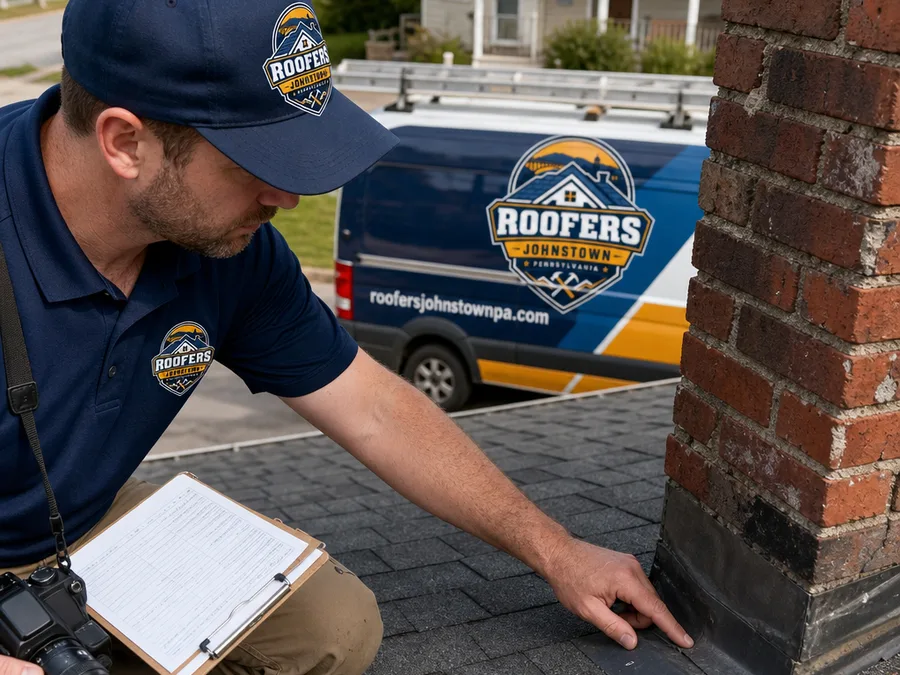
We check slopes, penetrations, attic and ventilation conditions, decking health, and drainage paths. Then we measure for a layout that avoids awkward slivers at edges and keeps seams where they belong.
You get a clear plan that calls out panel type, underlayment approach, flashing work, and any deck repairs we can see. If you have concerns about noise, snow shedding, or curb appeal, we address them in the plan.
We protect landscaping and access points, remove roofing as required, and replace compromised decking. A good metal roof starts with a flat, solid substrate.
We install underlayment, panels, and trim, then complete valleys, ridges, penetrations, and wall transitions with manufacturer-aligned methods so water stays on the roof surface and drains correctly.
We review the finished roof, confirm key details, and leave the area clean. You will know what was done, what to watch over time, and what normal maintenance looks like for your metal roof type.
Planning your metal roof budget
Most metal roofing projects in Johnstown typically range from about $10,000 to $30,000+, with smaller simple roofs at the lower end and larger or complex tear-offs at the high end. Standing seam systems usually cost more than exposed-fastener panels because of material cost and labor.
Your final price depends on roof size and pitch, number of valleys, dormers, and penetrations, tear-off and decking repairs, panel type and gauge, underlayment and ice protection, and how much flashing and ventilation work is required. The exact cost is confirmed after an on-site inspection and measurements for your roof.
Installation standards
Choosing the right roof system
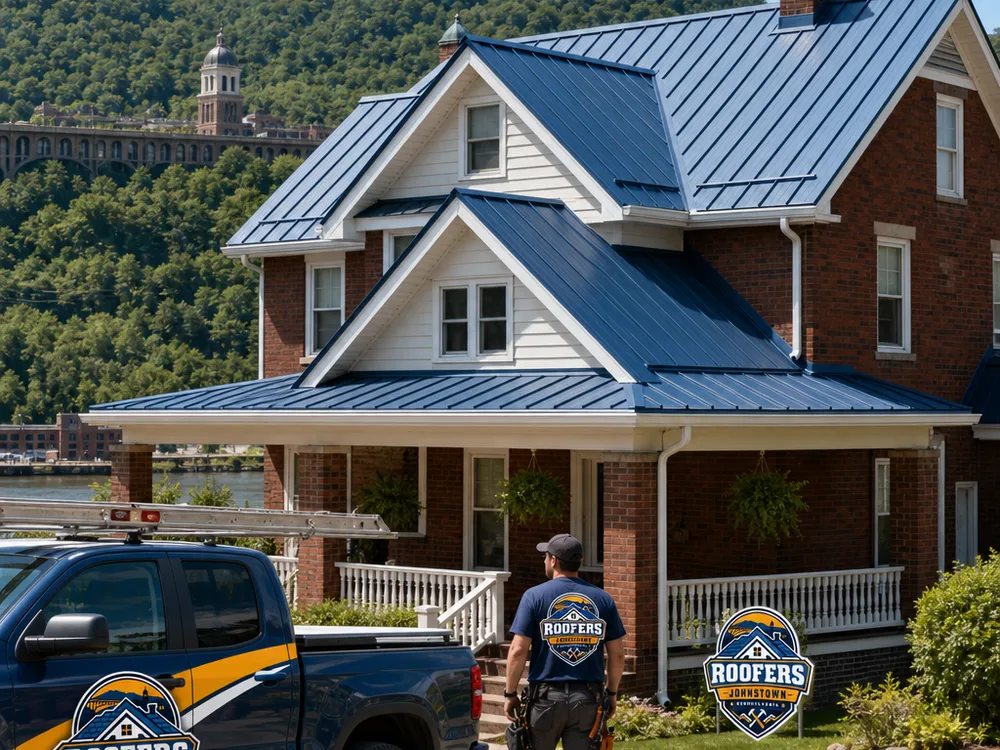
Metal roofing is a strong choice when you want a long service life, a clean look, and a roof that handles rain and snow well. It is also helpful when you want to reduce routine roof maintenance compared with systems that rely on exposed granular surfaces.
That said, the best results come when the roof is designed as a system. We may recommend slowing down and addressing underlying issues first if:
If you are still weighing options, a roof inspection can confirm whether metal is the right fit for your home's shape and condition. For homeowners who want a broader look at roof types and replacement planning, our team at Roofers Johnstown PA can walk through what changes the budget and timeline for your specific property.
Metal roof questions answered
Yes, we install standing seam metal roofing in Johnstown PA, including the trim, flashing, and ventilation details that make the system perform. Standing seam is often chosen for its concealed fasteners and clean appearance, but it requires careful layout and correct treatment at eaves, rakes, valleys, and penetrations.
Sometimes, but only when the existing roof is stable, the deck is sound, and the detailing can be done correctly at edges and penetrations. An on-site inspection is the only reliable way to know whether an overlay is appropriate or whether a tear-off is the safer long-term choice.
Many metal roof installations take a few days, but the timeline depends on roof size, pitch, weather, tear-off needs, and how many valleys, dormers, and penetrations the roof has. Complex detailing work can take longer than panel installation, and that is normal when the goal is leak-resistant transitions.
When installed over solid decking with proper underlayment, most homeowners do not notice a major difference in rain noise compared with shingles. Noise concerns are more common in open-framed structures or when metal is installed without the right assembly under it, so we review your roof build-up before recommending a system.
Most metal roof leaks trace back to penetrations and transitions: pipe boots, chimneys, skylights, valleys, and wall lines. On exposed-fastener systems, aging washers or improperly installed screws can also cause issues, which is why correct fastener type, placement, and periodic checks matter.
Metal roofing can shed snow more readily than many other roof surfaces, but it still needs correct underlayment, ventilation, and edge detailing for winter conditions. If snow retention is a concern near entries, driveways, or sidewalks, we can discuss snow guards and safer shedding control as part of the plan.
Start with an on-site inspection
Tell us what you are seeing now—leaks, aging shingles, or a full replacement goal—and we will inspect the roof, explain the best metal roofing options for your home, and provide a written scope you can make decisions from.